
Your Hair Looks Frizzy After Washing? 9 Possible Reasons & What to Do
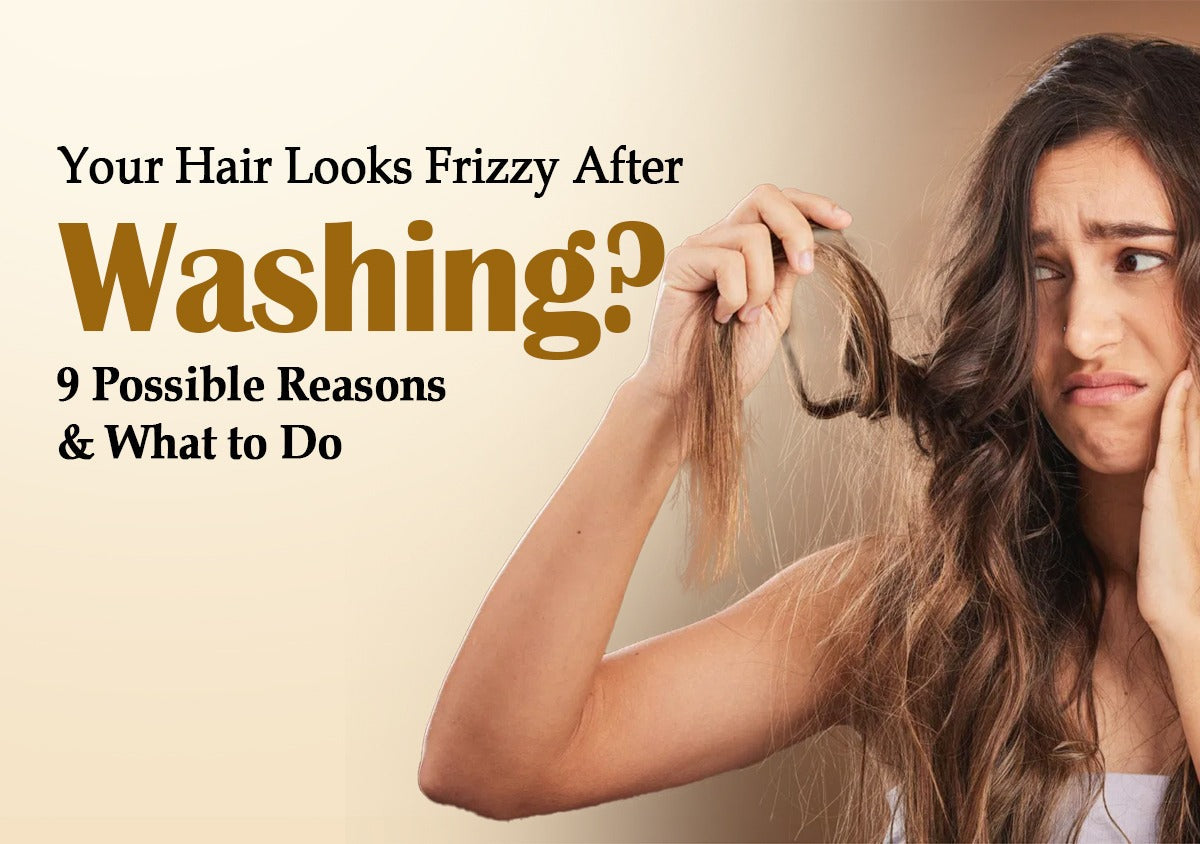
Do you notice frizzy hair after washing even when you have just shampooed and conditioned your hair? You are not alone. Hair can become rough, puffy, or full of flyaways immediately after washing because of dryness, humidity, friction, hair damage, washing habits, or the natural texture and porosity of your hair. The good news is that a few simple changes to your hair-washing and post-wash routine can help make your hair look smoother and more manageable.
Frizz generally occurs when the outer cuticle of the hair becomes raised or uneven. Dry or damaged hair can absorb moisture from the surrounding air more easily, which may cause individual strands to swell and separate. Humidity, heat styling, chemical treatments, rough towel drying, and unsuitable hair-care products can make this effect more noticeable.
Why Does Hair Become Frizzy After Washing?
Washing your hair removes dirt, excess oil, sweat, and product buildup, but excessive cleansing can also remove some of the natural oils that help keep hair smooth. If the hair is already dry or damaged, it may feel rougher after shampooing.
The way you wash and dry your hair also matters. Dermatologists recommend applying shampoo mainly to the scalp rather than aggressively cleansing the entire length of the hair, followed by conditioner suited to your hair type. They also recommend gentle detangling because wet hair is more fragile.
9 Possible Reasons for Frizzy Hair After Washing
1. Your Hair Is Naturally Dry
Dry hair lacks sufficient moisture and may have a rougher cuticle surface. When you wash it, the difference can become more noticeable.
Curly, wavy, thick, and textured hair can be particularly prone to dryness because natural scalp oils may not spread evenly along the length of the hair. (Healthline)
What to do:
-
Use a moisturizing conditioner after shampooing.
-
Avoid washing with excessively hot water.
-
Apply a lightweight leave-in product to the mid-lengths and ends.
-
Avoid excessive heat styling.
2. You Are Washing Your Hair Too Frequently
Washing too often for your particular scalp and hair type may leave the lengths feeling dry and difficult to manage.
However, there is no universal washing schedule. Your routine should depend on your scalp's oiliness, hair texture, lifestyle, and product buildup.
What to do: Choose a washing frequency that keeps your scalp clean without repeatedly drying out the lengths.
3. Your Shampoo May Be Too Harsh
A shampoo's primary purpose is to cleanse the scalp and hair, but excessive removal of natural oils can contribute to dryness and roughness. Research on shampoos and conditioners highlights the importance of balancing effective cleansing with conditioning. (PubMed Central (PMC))
What to do:
-
Choose a shampoo appropriate for your hair and scalp.
-
Concentrate shampoo on the scalp.
-
Avoid aggressively scrubbing the lengths.
-
Follow shampooing with conditioner.
4. You Skip Conditioner
Skipping conditioner can leave freshly washed hair harder to detangle and more prone to friction and flyaways. Conditioner helps moisturize and detangle the hair, improving manageability.
What to do: Apply conditioner mainly to the mid-lengths and ends. If you have dry or curly hair, you may benefit from conditioning more of the hair length.
5. Humidity Is Making Your Hair Frizzy
One of the biggest triggers of frizz is humidity. Dry or porous hair can absorb moisture from humid air, causing the hair shaft to swell and strands to separate.
This is why hair can look smooth immediately after washing but become puffy after you step outside.
What to do:
-
Avoid leaving freshly washed hair wet for a long time.
-
Use a suitable leave-in or anti-frizz product.
-
Minimize unnecessary brushing after styling.
-
Protect your hair from excessive humidity where possible.
6. You Are Rubbing Your Hair With a Towel
Vigorous towel drying creates friction between the towel and hair. This can contribute to roughness, tangling, and breakage.
Better approach: Gently squeeze excess water from your hair instead of rubbing it aggressively.
If your hair tangles easily, use a wide-tooth comb and detangle gently.
7. Heat Styling Has Damaged Your Hair
Frequent use of blow dryers, straighteners, and curling tools can contribute to hair damage. Repeated heat exposure may make the hair surface rougher and increase the appearance of frizz.
What to do:
-
Reduce unnecessary heat styling.
-
Use lower heat settings when possible.
-
Avoid repeatedly passing a straightener over the same section.
-
Use an appropriate heat-protective styling product.
8. Chemical Treatments or Colouring Have Increased Porosity
Bleaching, colouring, straightening, and other chemical processes can affect the hair structure. More porous hair may have difficulty retaining moisture and can therefore appear dry, rough, or frizzy. (Good Housekeeping)
What to do: Focus on gentle cleansing, regular conditioning, reduced heat exposure, and products designed for dry or damaged hair.
9. Product Buildup May Be Making Hair Rough
Sometimes the problem isn't a lack of products but too much product buildup. Styling products, oils, conditioners, and other formulas can accumulate on the hair over time and make it feel dull, coated, or difficult to manage.
What to do: If you regularly use multiple styling products, consider whether your current cleansing routine adequately removes buildup without over-drying your hair.
How to Reduce Frizzy Hair After Washing
A simple post-wash routine can make a significant difference.
Step 1: Wash Gently
Use lukewarm water and avoid aggressively scrubbing the lengths. Focus shampoo primarily on the scalp.
Step 2: Condition Your Hair
Apply conditioner to the areas that need moisture, especially the mid-lengths and ends. Curly or very dry hair may need conditioning throughout the length.
Step 3: Don't Rub Your Hair Dry
Gently squeeze out excess water and use a soft towel or suitable hair-drying method.
Step 4: Detangle Carefully
Wet hair is more vulnerable to damage. Use your fingers or a wide-tooth comb and work gently from the ends upward.
Step 5: Use a Lightweight Hair Serum
A hair serum can help smooth the appearance of flyaways and make hair easier to manage.
For example, Vedaxry 3-in-One Hair Serum with Silver Water is designed as a conditioner, polisher, and serum. According to the product information, its formula includes ingredients such as sweet almond, argan, jojoba, avocado, bhringraj, onion, amla, brahmi, coconut, and silver water.
How to use it: After washing and towel-drying, take a small amount depending on your hair length and thickness. Spread it between your palms and apply mainly from the middle of the hair toward the ends rather than directly onto the scalp. The product can also be used on dry hair to help control the appearance of frizz and add shine.

Shop Vedaxry 3-in-One Hair Serum with Silver Water
Vedaxry 3-in-One Hair Serum: A Simple Post-Wash Hair-Care Option
If your biggest concern is rough, dull, or frizzy-looking hair after washing, adding a serum to your post-wash routine can be convenient.
Vedaxry's 3-in-One Hair Serum with Silver Water is positioned as a multi-purpose hair treatment combining the functions of a conditioner, polisher, and serum. The product page states that it is suitable for all hair types and is designed to support smoother-looking, nourished and shinier hair.
Its listed ingredients include argan, jojoba, sweet almond, avocado, bhringraj, onion, amla, brahmi and coconut, among others.
For best results, use a small amount rather than applying too much product. Start with the mid-lengths and ends and add more only if required.
What to Avoid If Your Hair Gets Frizzy After Washing
If frizz is a regular problem, try avoiding these common mistakes:
-
❌ Washing hair with very hot water
-
❌ Scrubbing the lengths aggressively
-
❌ Rubbing wet hair vigorously with a towel
-
❌ Brushing wet hair roughly
-
❌ Excessive straightening or curling
-
❌ Using too much styling product
-
❌ Skipping conditioner
-
❌ Applying excessive serum or oil
-
❌ Frequently changing your hair-care routine without giving it time to work
When Should You See a Dermatologist?
Occasional frizz is usually a hair-care concern, but persistent changes in hair texture deserve attention if they occur alongside other symptoms.
Consider consulting a dermatologist if you experience sudden changes in hair texture, significant hair loss, patchy shedding, excessive breakage, scalp itching, pain, redness, or a persistent rash. These symptoms may require evaluation of the scalp and hair rather than simply changing your styling products. (Acibadem Hospitals Group)
Frequently Asked Questions About Frizzy Hair After Washing
1. Why is my hair frizzy immediately after washing?
Frizz after washing can be related to dryness, raised or damaged cuticles, humidity, rough drying, unsuitable cleansing products, or your natural hair texture. A gentle wash, conditioner, careful drying, and a lightweight serum may help.
2. How can I stop my hair from getting frizzy after washing?
Use a suitable shampoo, condition your hair, avoid hot water and rough towel drying, detangle gently, reduce excessive heat styling, and apply a small amount of serum to the mid-lengths and ends.
3. Does conditioner help with frizzy hair?
Yes. Conditioner moisturizes and detangles hair, which can improve manageability and reduce the appearance of frizz.
4. Is humidity responsible for frizzy hair?
Humidity is a common trigger, particularly when hair is dry or porous. Hair can absorb moisture from humid air, causing strands to swell and separate.
5. Should I apply serum to wet or dry hair?
A serum can generally be applied to towel-dried, damp hair after washing. A small amount can also be applied to dry hair when you want to smooth flyaways or improve the appearance of frizz. Vedaxry recommends applying its serum from the middle of the hair toward the ends.
6. Can towel drying cause frizzy hair?
Rough towel drying can increase friction and contribute to roughness and breakage. Instead, gently squeeze excess water from your hair.
7. Is frizz a sign of damaged hair?
Not always. Frizz can be related to natural hair texture and humidity, but dryness, heat styling, chemical treatments, and mechanical damage can also make frizz more noticeable.
8. How often should I wash frizzy hair?
There is no single ideal frequency for everyone. Consider your scalp type, hair texture, oil production, lifestyle, and product buildup. The goal is to keep the scalp clean without unnecessarily drying the hair lengths.
9. Can a hair serum reduce the appearance of frizz?
A suitable hair serum can help smooth the hair surface, control flyaways, and improve shine and manageability. It should complement—not replace—a good washing, conditioning, and drying routine.
10. Is Vedaxry 3-in-One Hair Serum suitable for all hair types?
Vedaxry states that its 3-in-One Hair Serum with Silver Water is suitable for all hair types. The product is intended to be used on the hair lengths and ends and can be incorporated into a post-wash routine.
Final Thoughts
Frizzy hair after washing doesn't necessarily mean that your shampoo is the only problem. Dryness, humidity, hair porosity, heat styling, chemical treatments, rough towel drying, product buildup, and even your natural hair texture can all contribute to frizz.
Start with the basics: cleanse gently, condition regularly, handle wet hair carefully, minimize excessive heat, and use a lightweight serum on the lengths and ends. With a consistent routine suited to your hair type, you can make your hair look smoother, shinier, and easier to manage.
For an easy addition to your post-wash routine, explore the Vedaxry 3-in-One Hair Serum with Silver Water.


Comments